Entangled Pathways in Digital Media Ecosystems: Signup Journeys Linking Visual Archives to Governance-Infused Distribution
Quinn Brooks · Sep 22, 2026
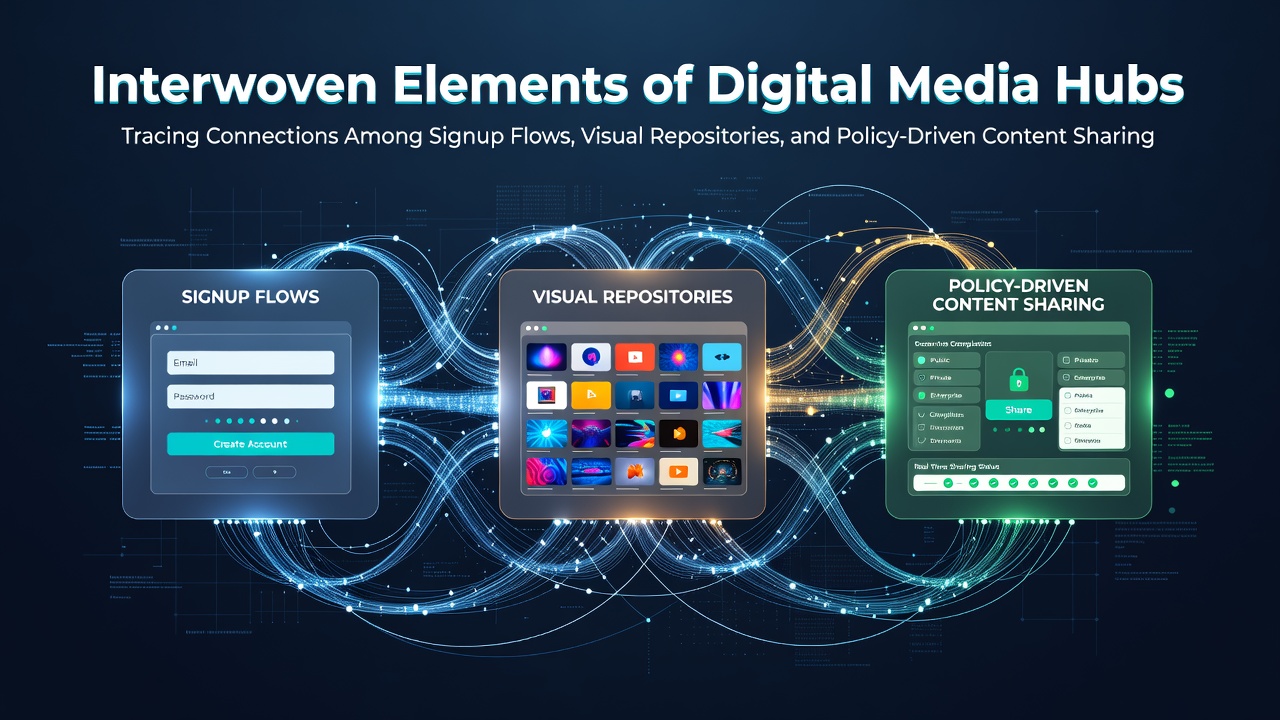
The Interconnected Web of Digital Media Platforms: Signup Processes, Visual Collections, and Policy Influences on Sharing
Digital media hubs operate through tightly linked components where signup flows feed directly into visual repositories and both respond to overarching policies that govern content distribution. These elements do not function in isolation because registration data often determines access levels to image banks while compliance rules shape what users can upload and share across networks.
Signup Flows as Entry Points to Broader Systems
Registration sequences in digital platforms collect essential identifiers such as email addresses, usernames, and verification details that later authenticate contributions to visual collections. Platforms integrate these flows with backend databases so new accounts immediately gain permissions tied to content categories and this setup reduces friction when users move from onboarding to uploading media files. Studies from research institutions show that streamlined signup processes correlate with higher retention rates in media sharing environments because users encounter fewer barriers before accessing repositories.
Verification steps within these flows frequently incorporate policy checks that flag potential violations early and this prevents accounts from proceeding if they breach terms related to age restrictions or geographic limitations. Observers note that such integrations create a foundation where user identity data flows into moderation tools that oversee visual content later on.
Visual Repositories and Their Dependence on User Onboarding
Once accounts exist, visual repositories serve as centralized storage for images, galleries, and media assets that users contribute under specific guidelines. These archives rely on signup data to track ownership, apply metadata tags, and enforce visibility rules because each uploaded item carries identifiers from the originating account. Researchers discovered that platforms with robust repository structures often link back to registration details to manage permissions dynamically and this allows for features like private collections or public sharing based on account status.
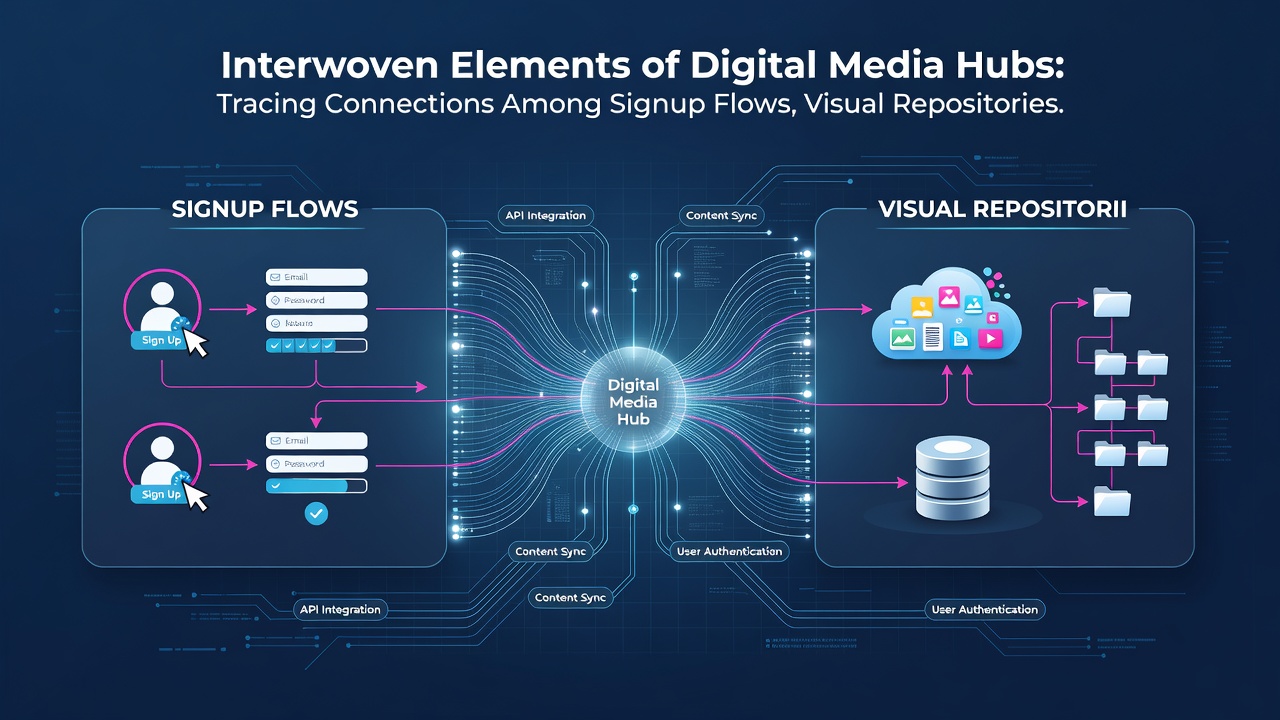
Data indicates that repositories grow in complexity as they incorporate automated tagging systems drawn from user profiles established during signup. This connection ensures that content remains categorized according to initial account parameters while updates to policies can retroactively adjust access across stored items. In September 2026 industry reports highlighted expansions in repository capabilities that tie more closely to compliance engines and this development allows platforms to scan archives for policy adherence without manual intervention.
Policy Frameworks Guiding Content Sharing Practices
Regulatory requirements influence both signup procedures and repository operations because laws dictate what information platforms must collect during registration and what content qualifies for distribution. According to the European Commission resources on digital services, rules emphasize transparency in user agreements and these agreements often reference visual media handling to maintain consistency across hubs. Policies also require mechanisms for content removal or restriction and these tools connect directly to repositories where flagged items reside.
Industry organizations such as the Interactive Digital Software Association provide guidelines that platforms adopt to align sharing features with legal standards and this results in automated filters applied at the repository level after users complete signup. The reality is that policy updates can trigger changes in flow designs because new compliance needs might demand additional verification fields during onboarding to support ongoing content governance.
Tracing the Links Across All Three Elements
Connections emerge clearly when examining how signup data populates user profiles that repositories reference during uploads and policies dictate acceptable formats or themes. For instance, an account created with verified age information gains access to age-appropriate sections of visual archives while sharing options remain limited by regional rules enforced through the same system. Figures from academic analyses reveal that integrated platforms experience fewer compliance incidents because data flows seamlessly between these components and reduces duplication of checks.
Platforms demonstrate this interdependence through features where policy violations detected in shared visuals prompt reviews of the associated signup records and this loop strengthens overall hub integrity. Those who manage such systems often find that adjustments in one area, such as enhanced privacy settings at registration, immediately affect how visuals appear in public feeds.
Conclusion
The structure of digital media hubs rests on these interwoven elements because signup flows establish user foundations, visual repositories organize contributions, and policies provide the boundaries for all interactions. Evidence from varied regulatory sources shows sustained coordination among these parts supports scalable and compliant environments where content moves efficiently from creation to distribution.