Media Sharing Platforms Reshape Gamer Interactions on GamingWorldTV
Morgan Brooks · Sep 8, 2026

Media Sharing Platforms Reshape Gamer Interactions on GamingWorldTV
Media sharing platforms have become central to how gamers connect, exchange content, and build communities, with GamingWorldTV serving as one such hub that supports video uploads, photo galleries, and interactive feeds. Observers note that these systems allow users to upload clips, screenshots, and streams while providing tools for organization and discovery through RSS channels and search functions.
Core Functions of Media Sharing on GamingWorldTV
Users begin by creating accounts and then access options to upload videos, photos, and related media directly through the interface, where files integrate into public or private collections that others can view and comment on. Data from industry reports shows that platforms like this handle millions of gaming-related files monthly, and GamingWorldTV incorporates specific RSS channels numbered from 4 to 11 to deliver targeted updates on new videos, fan art, and community highlights without requiring constant manual checks.
Search tools on the site enable quick location of content by keywords, tags, or categories, while administrator panels allow designated users to moderate uploads and manage community spotlights. Those who've studied similar systems know that login processes tie into broader security measures, and terms of service outline responsibilities around sharing, streaming, and avoiding prohibited material.
Community Building Through Shared Media
GamingWorldTV facilitates connections by letting participants follow specific channels or users, which surfaces new content in personalized feeds. One study from the Entertainment Software Association revealed that over 60 percent of gamers engage with shared media at least weekly, and platforms that support both video and photo formats see higher retention rates because they accommodate different content styles from casual screenshots to full gameplay recordings.
Monetization features appear in dedicated sections where creators can track views and explore revenue options, while disclaimers clarify legal boundaries for all shared material. In September 2026 the platform plans to expand its RSS capabilities with additional filtering options that respond to user feedback collected over prior months, allowing more precise delivery of indie gaming highlights and gallery updates.
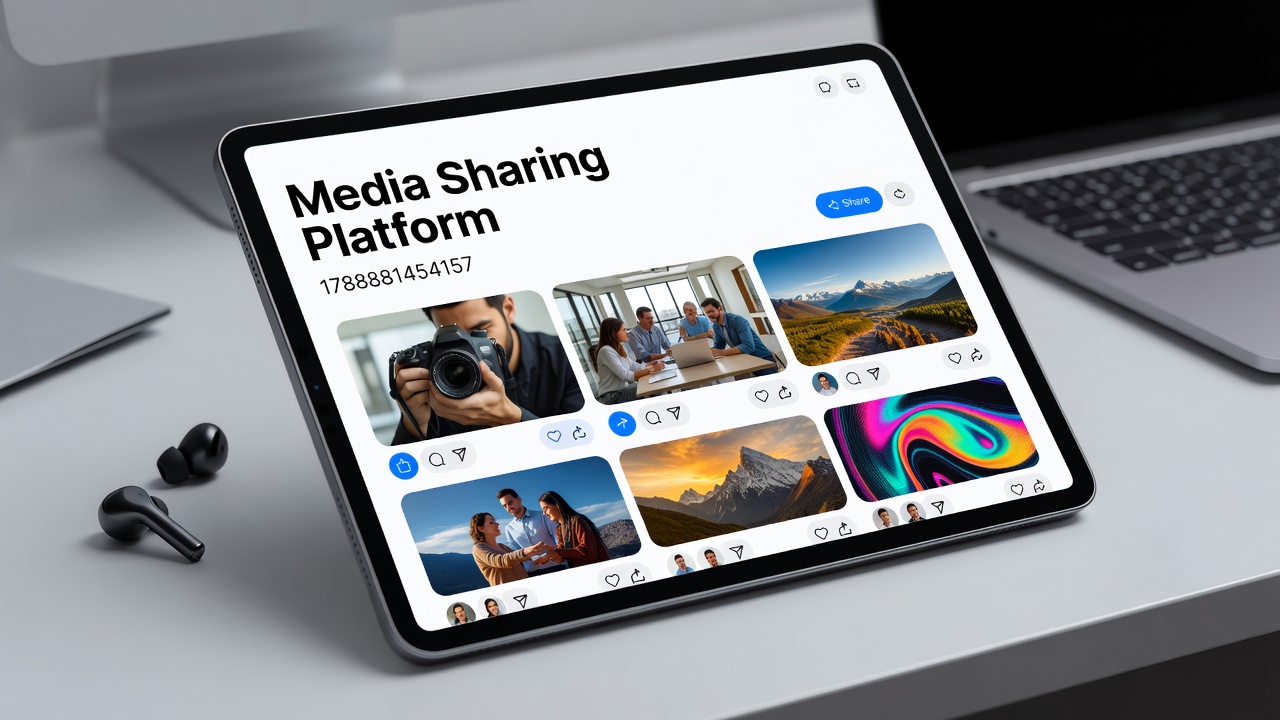
Photo RSS feeds pull the latest screenshots and fan art into subscriber lists, whereas video RSS feeds focus on clips and streams that update in real time. Administrators use dedicated panels to spotlight emerging creators, which helps surface content that might otherwise remain buried in larger archives.
Technical Aspects and User Navigation
Navigation starts at the login screen, after which users reach dashboards that display recent uploads and trending items. Sign-up flows collect basic information before granting access to upload tools and community features, and search result pages organize findings by relevance, date, or popularity metrics. Research from the Interactive Games and Entertainment Association in Australia indicates that structured search and feed systems reduce time spent locating content by an average of 35 percent compared with unorganized archives.
Terms of service documents, available on the site, specify rules for responsible sharing while the disclaimer section covers copyright and liability matters. Fiscal tools within the platform let creators monitor earnings from monetized content, and multiple RSS channels operate simultaneously to cover different content types without overlap.
Future Developments and Platform Growth
Updates scheduled around September 2026 include refinements to the administrator panel that streamline moderation tasks and introduce new spotlight categories for community-voted highlights. Figures from the European Games Developer Federation show continued growth in media-sharing activity across European gaming sites, with similar patterns appearing on platforms that serve global audiences like GamingWorldTV.
Integration of RSS feeds with external readers remains a key feature, enabling users to receive updates outside the main site. Community sections emphasize connection through shared media, and tools for uploading support multiple file formats to accommodate varied gaming content styles.
Conclusion
GamingWorldTV operates as a functional media sharing environment that combines upload capabilities, organized feeds, and community tools to support gamer interactions. The platform maintains separate channels for videos, photos, and specialized content while providing administrative controls and legal guidelines that keep operations consistent. With planned expansions in September 2026 and ongoing use of RSS technology, the system continues to adapt to user needs in the broader landscape of gaming media distribution.